● Introduction
● What is CNC Metal Cutting?
● What is Laser Cutting?
● Key Differences Between CNC Metal Cutting and Laser Cutting
● Which Method Is Better for Architectural Applications?
● CNC vs Laser Cutting for Architectural Elements
● Why CNC Metal Cutting Is Preferred for Architecture
● Conclusion: Which Should You Choose?
In modern architecture, metal is essential for both structure and appearance. From metal jali and façades to gates, railings, and decorative screens, selecting the right cutting technology is crucial. The two most commonly used methods are CNC metal cutting and laser cutting. Architects and builders often ask: Which is better for architectural work, CNC metal cutting or laser cutting? The answer depends on design needs, material thickness, durability, budget, and application. This article explains the differences in simple terms to help you decide on the best approach for your architectural project.
CNC (Computer Numerical Control) metal cutting uses computer-controlled machines to cut metal sheets precisely based on programmed designs. It is widely used in architectural metal fabrication for both decorative and structural elements.
CNC metal cutting is particularly suited for:
This method is known for its strength, consistency, and ability to work with thicker metal sheets. This makes it ideal for durable architectural applications.
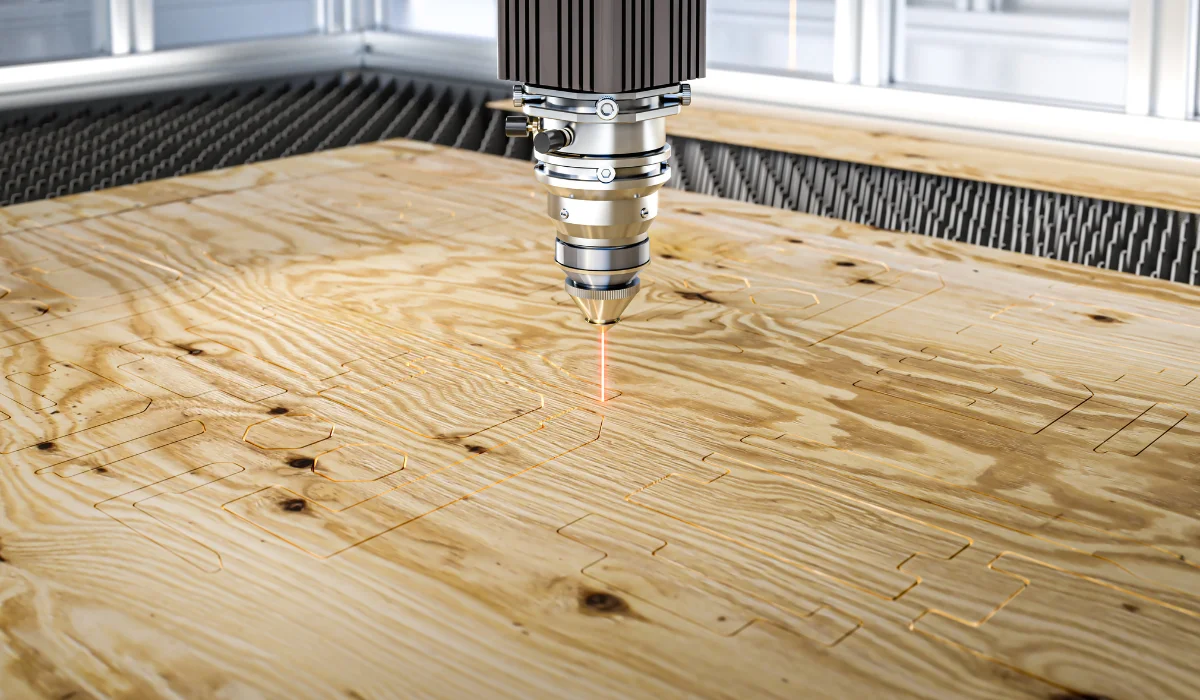
Laser cutting uses a high-powered laser beam to cut metal with extreme precision. It excels in creating fine details and sharp edges, especially on thin metal sheets.
● Decorative interior panels
● Artistic metal designs
● Precision detailing
While laser cutting achieves incredible accuracy, it is generally more suitable for lightweight and decorative uses rather than heavy architectural applications.
The main difference lies in their applications and durability. CNC metal cutting works better with thicker materials and large architectural elements. In contrast, laser cutting is better at fine detailing on thinner sheets.
CNC cutting emphasizes strength and scalability, while laser cutting focuses on precision and detail. For architectural projects that face weather and structural demands, durability becomes crucial.
For most architectural projects, CNC metal cutting is the better choice.
Architecture needs metal elements that are:
CNC metal cutting meets all these needs, making it the preferred option for metal jali, gates, façades, and railings. Laser cutting is suitable when the design calls for intricate detailing and the metal thickness is minimal.
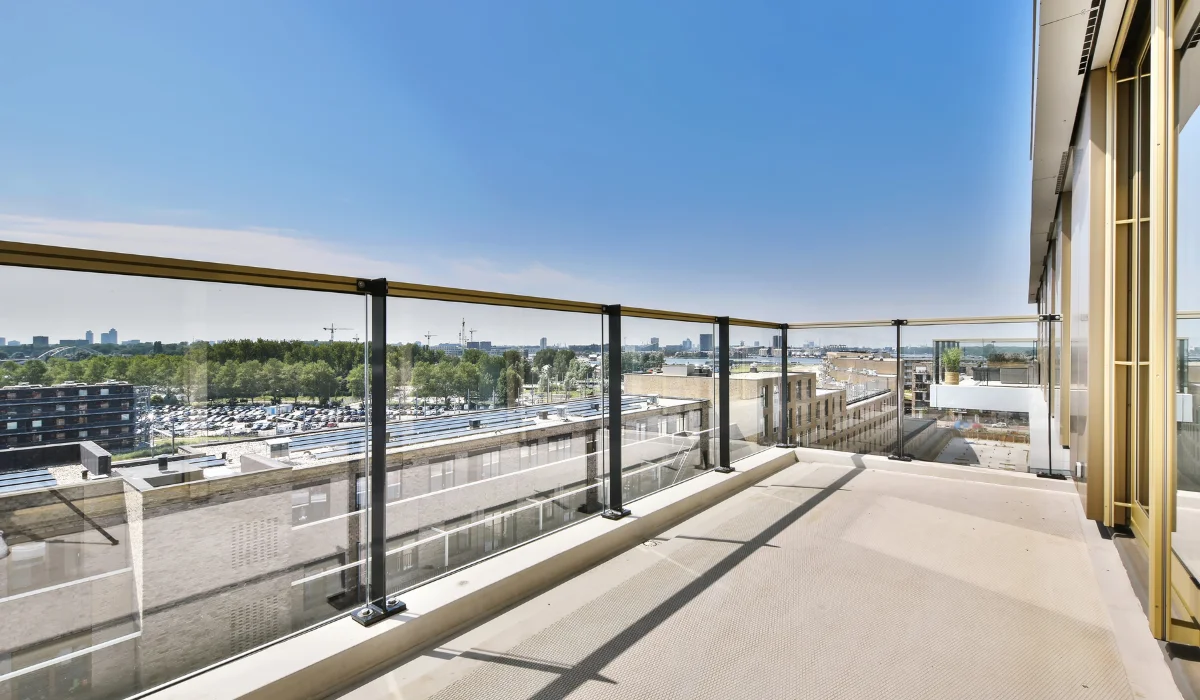
Metal Jali and Screens: CNC metal cutting is perfect for metal jali used in balconies, façades, and partitions due to its capability to handle thicker metal and long-term durability.
Gates and Railings: CNC cutting provides the strength needed for load-bearing and security applications, making it more appropriate than laser cutting.
Decorative Interior Panels: Laser cutting can be used for interior decorative elements where fine detailing is more important than strength.
Building Façades: CNC metal cutting is preferred for façade panels because it can manage large sizes and resist external weather conditions.
In cities like Chennai, where humidity and coastal conditions are prevalent, CNC metal cutting offers improved longevity for architectural metal elements.
When it comes to architectural work, CNC metal cutting is usually the best choice. It strikes the right balance of strength, durability, cost efficiency, and design flexibility. Laser cutting is ideal for fine decorative details where precision is the main focus.
If you are planning an architectural project and need reliable CNC metal cutting services in Chennai , Stone & Metal offers custom design, fabrication, and installation support in Chennai and throughout Tamil Nadu.
Contact us today to discuss your project and receive a customised quote.