Metal laser
cutting is a modern
manufacturing process that uses a highly focused laser beam to cut through
various metals with exceptional precision. Unlike traditional cutting
techniques, this method ensures clean edges, intricate detailing, and minimal
material wastage. It plays a crucial role in custom metal fabrication,
enabling businesses to create complex designs that would otherwise be difficult
to achieve. The demand for precision metal cutting continues to grow as
industries prioritize quality and efficiency in their production processes.
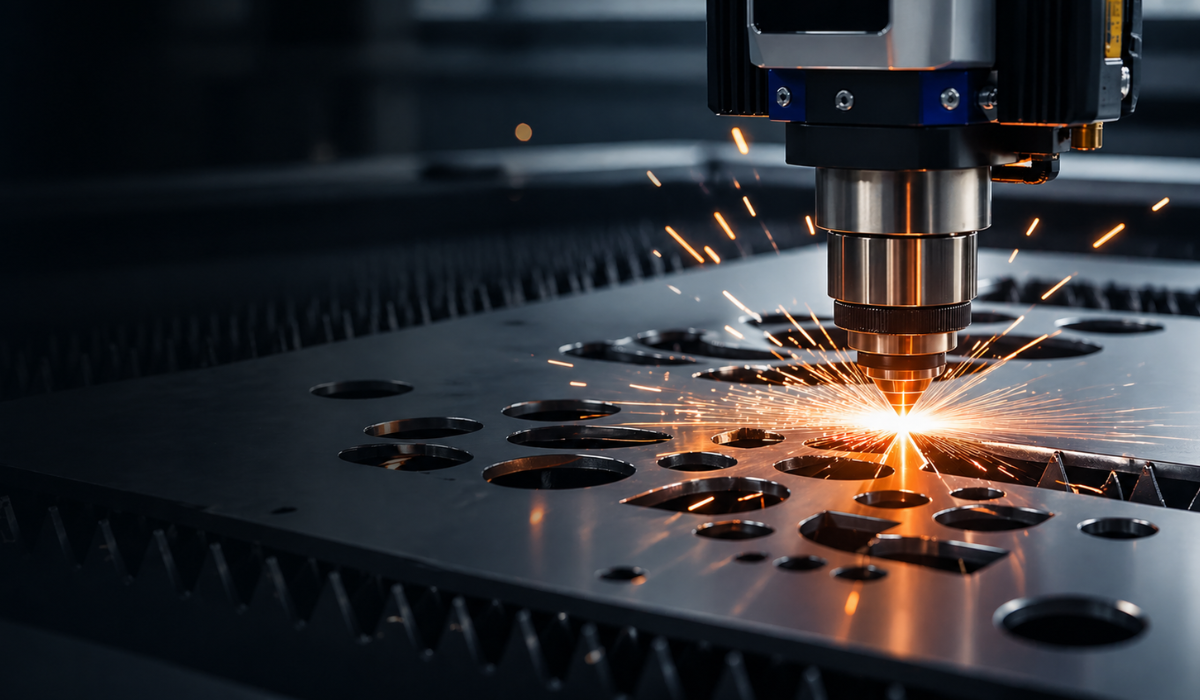
The process
of metal laser cutting involves directing a high-powered laser beam onto
the surface of the material. The heat generated by the laser melts, burns, or
vaporizes the metal, while assist gases such as oxygen or nitrogen remove the
molten material. This process is controlled by advanced CNC laser cutting
systems that follow digital design files created using CAD software. The
automation ensures consistency and eliminates errors, making it ideal for
projects that require high levels of accuracy and repeatability. The use of a laser
cutting machine significantly enhances productivity while maintaining
superior quality standards.
There are
several types of laser cutting services available, each suited for
different applications. CO₂ laser cutting is commonly used for thinner
materials and certain non-metals, making it a popular choice for sheet metal
cutting projects. Fiber laser cutting, on the other hand, is highly
efficient and widely used in industrial laser cutting for metals such as
stainless steel, aluminum, and brass. Another advanced method is Nd:YAG laser
cutting, which is used in applications requiring high energy and deeper cuts.
Choosing the right technology depends on the material, thickness, and specific
requirements of the project.
One of the
biggest advantages of metal laser cutting is its unmatched precision,
allowing for highly detailed and accurate cuts even in complex designs. The
speed of industrial laser cutting also ensures faster production times,
which is essential for businesses operating under tight deadlines.
Additionally, the process is cost-effective due to reduced material wastage and
lower labor requirements. The versatility of sheet metal cutting makes
it suitable for a wide range of materials and applications, while the clean
finish produced by the laser cutting machine eliminates the need for
additional processing. These benefits make laser cutting services an
ideal choice for modern manufacturing needs.
The
versatility of metal laser cutting has led to its widespread adoption
across various industries. In the automotive sector, it is used to manufacture
precision components that require high durability and accuracy. The
construction industry relies on custom metal fabrication for structural
elements and architectural designs. In aerospace, the importance of precision
metal cutting cannot be overstated, as even the smallest deviation can
impact performance. The electronics industry also benefits from this technology
for producing intricate parts, while businesses involved in design and décor
use sheet metal cutting to create customized products. The adaptability
of industrial laser cutting makes it an essential tool in today’s
manufacturing ecosystem.
Selecting
the right provider for laser cutting services is crucial for achieving
the desired results. It is important to work with a company that has extensive
experience in precision metal cutting and uses advanced CNC laser
cutting technology. The ability to handle different materials and
thicknesses is another key factor to consider, as it ensures flexibility for
various projects. Additionally, businesses should evaluate turnaround times and
ensure that the service provider can meet deadlines without compromising
quality. While cost is an important consideration, choosing a provider that
offers a balance between affordability and high-quality output will deliver
better long-term value.
In
conclusion, metal laser cutting has transformed the way industries
approach fabrication and manufacturing. Its ability to deliver precision,
speed, and efficiency makes it an indispensable solution for modern businesses.
From small-scale custom designs to large industrial applications, laser cuttingservices provide unmatched versatility and reliability. As demand continues
to grow, investing in the right industrial laser cutting solutions can
significantly enhance productivity and product quality.