How Does Chennai's Coastal Climate Affect Architectural Metalwork?
Chennai has a warm, humid coastal environment, and many areas are exposed to moisture and salt particles carried through the air. This makes environmental conditions an important consideration when designing and fabricating exterior metalwork.
One of the biggest concerns is corrosion. When moisture and airborne contaminants remain on a metal surface, they can accelerate corrosion, particularly when the material or protective coating is not suitable for the application. Areas closer to the coast may experience greater exposure than locations further inland.
Temperature and humidity can also affect protective finishes. Repeated exposure to sunlight, rain and moisture may gradually affect paint systems, powder coatings or other surface treatments if the wrong specification is selected.
Fabrication quality also matters. Welds, joints, cut edges, fasteners and concealed areas can become vulnerable points if they are not properly finished or protected. Water can collect around poorly detailed joints, creating conditions that encourage corrosion.
Therefore, architectural metalwork in Chennai should be considered as a complete system rather than simply choosing a metal based on appearance. Material grade, thickness, fabrication quality, drainage, finishing, fixing methods and maintenance should all be considered during design and specification.
Important Features / Benefits of Climate-Resistant Architectural Metalwork
Better Corrosion Resistance
Choosing an appropriate material can reduce the risk of corrosion in humid and coastal conditions. Stainless steel and aluminium are commonly considered for applications where long-term environmental exposure is expected.
Longer Service Life
A suitable material combined with proper fabrication and protective finishing can help architectural metalwork maintain its structural and visual performance for longer periods.
Better Appearance
Outdoor metal elements are often highly visible. Proper material selection and finishing can help reduce staining, surface deterioration and unwanted colour changes.
Lower Maintenance Requirements
Climate-appropriate materials and finishes can reduce the frequency of repairs and refinishing. However, even corrosion-resistant metals benefit from periodic cleaning and inspection.
Improved Project Reliability
Considering Chennai's climate during the design stage helps avoid material changes, premature corrosion and site-level repairs after installation.
Uses / Applications of Architectural Metalwork in Chennai
Architectural metalwork is widely used in both residential and commercial projects across Chennai. Coastal climate considerations become particularly important when these elements are exposed to outdoor conditions.
Gates and entrance features: Custom metal gates are regularly exposed to rain, humidity, dust and sunlight. Material and coating selection should match the level of exposure.
Railings and handrails: Balcony, terrace and staircase railings require appropriate material selection because they may remain exposed to moisture for long periods.
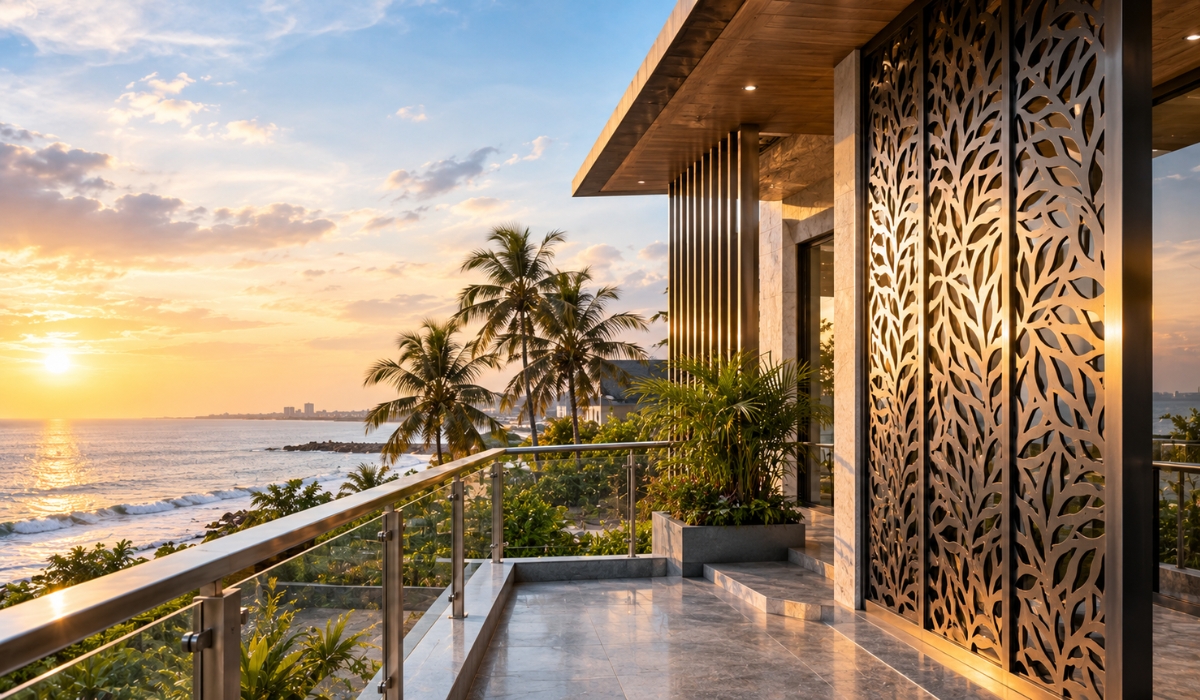
Metal jalis and screens: Decorative screens and CNC-cut panels are commonly used for facades, balconies, partitions and ventilation. Their joints, edges and fixing points should be properly finished.
Facade elements: Architectural fins, screens, louvers and decorative metal panels can have significant exposure to Chennai's weather and should be specified accordingly.
Pergolas and outdoor structures: Large outdoor structures require careful consideration of corrosion protection, drainage and connections.
Commercial and hospitality projects: Hotels, restaurants, offices and retail buildings often use decorative metalwork in entrance areas, facades and landscape features. A durable specification is important where replacement or refinishing would be difficult.
How to Choose Architectural Metalwork for Chennai's Coastal Climate?
Choosing the right architectural metalwork starts with understanding the actual site conditions rather than selecting a material only on appearance or initial price.
Consider the Site Location
A building very close to the sea may require a different specification from one located further inland. The level of salt exposure, direct rain exposure and ventilation should be considered.
Select the Appropriate Material Grade
For stainless steel applications, the appropriate grade should be selected based on environmental exposure and project requirements. SS 304 and SS 316 are not interchangeable in every application, and coastal exposure may influence the decision toward a more corrosion-resistant specification.
Check the Surface Finish
Brushed, polished, painted, powder-coated and other finishes have different maintenance and performance requirements. The finish should be suitable for the selected material and outdoor environment.
Pay Attention to Welds and Joints
Welded areas, corners, cut edges and connections should receive proper finishing. Poorly finished fabrication can create vulnerable points even when the base material is relatively corrosion-resistant.
Plan for Water Drainage
Architectural details should avoid unnecessary water traps. Horizontal surfaces, enclosed sections and joints should be designed so that water does not remain trapped for extended periods.
Consider Fasteners and Accessories
Bolts, screws, anchors and brackets should also be compatible with the selected metal and environmental conditions. Using unsuitable components can create corrosion problems around otherwise well-finished metalwork.
Include a Maintenance Plan
Even high-quality outdoor metalwork requires periodic cleaning and inspection. Salt deposits, dust and other contaminants should not be allowed to remain on surfaces for long periods.
SS 304 vs SS 316 for Chennai's Coastal Environment
The choice between SS 304 and SS 316 is a common consideration for architectural metalwork in Chennai.
SS 304 is widely used for many architectural and interior applications and can provide good corrosion resistance in suitable environments. However, locations with higher exposure to coastal conditions may require additional consideration.
SS 316 contains molybdenum, which provides improved resistance to certain forms of corrosion, particularly in chloride-containing environments. This can make it a strong option for more demanding coastal applications.
However, selecting SS 316 does not eliminate the need for good fabrication, cleaning and maintenance. Weld finishing, surface contamination, water retention and installation details still influence long-term performance.
The correct choice should therefore be based on the site's actual exposure, project requirements, design life, maintenance expectations and budget rather than simply choosing the highest-grade material for every application.
How Does Fabrication Quality Affect Corrosion?
Material selection is only one part of achieving durable architectural metalwork. Fabrication quality can have a major influence on how the finished product performs outdoors.
Poorly finished welds may create rough or contaminated areas where moisture and contaminants can accumulate. Sharp edges, exposed cut surfaces and poorly designed joints can also become vulnerable points.
For stainless steel, fabrication should avoid unnecessary contamination from unsuitable tools or materials. Proper cleaning and finishing after fabrication can help maintain the intended surface condition.
For painted or powder-coated metalwork, surface preparation is equally important. If the substrate is not prepared correctly, the coating may lose adhesion or deteriorate prematurely.
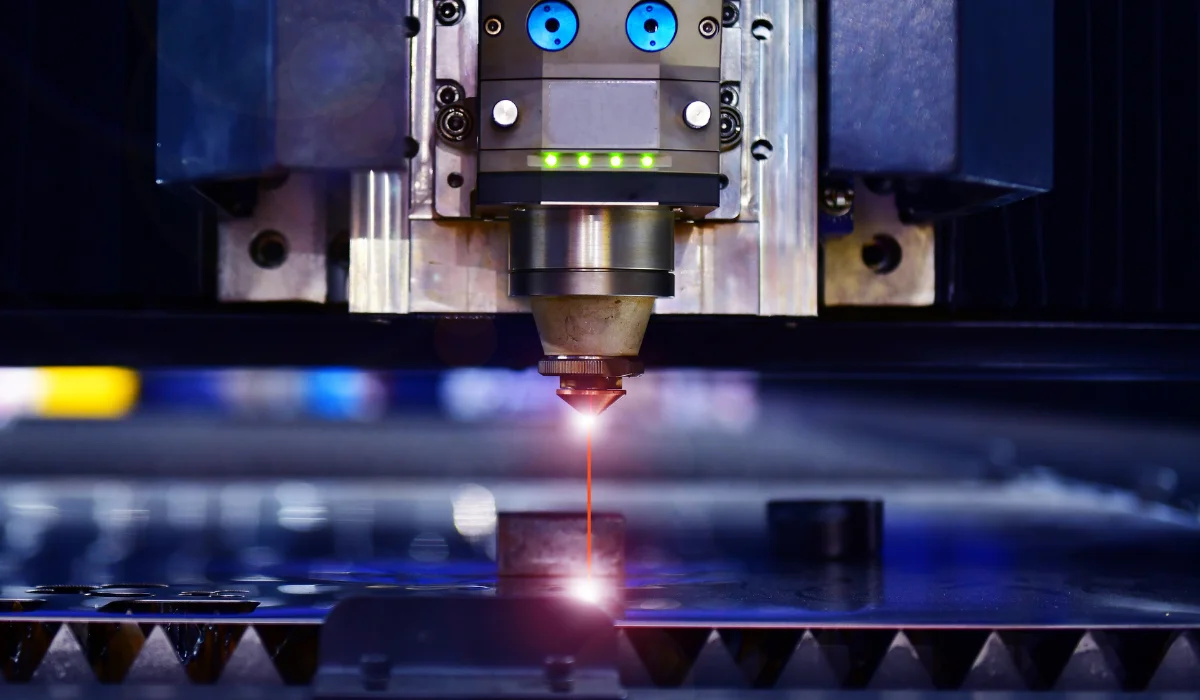
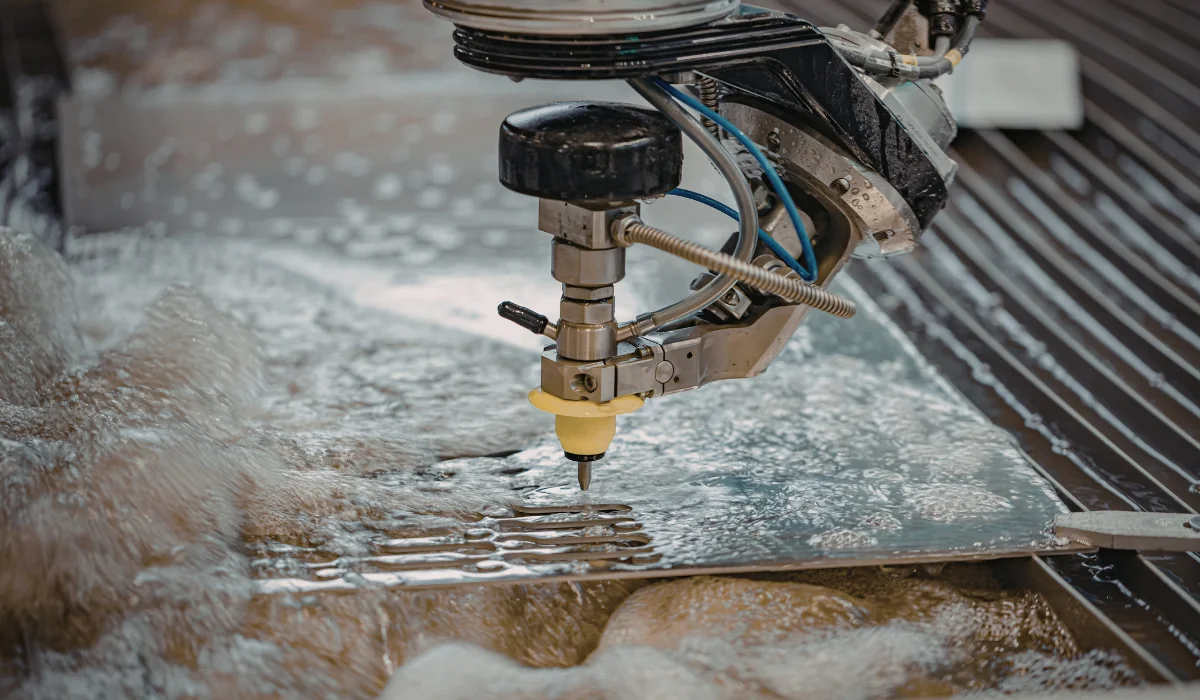
This is why architectural metal fabrication should consider the complete process: cutting, bending, welding, grinding, cleaning, surface preparation, coating, assembly and installation.
A detailed fabrication drawing can also help identify drainage requirements, connection details, material specifications and finishing requirements before production begins.
What Maintenance Does Outdoor Metalwork Need in Chennai?
Outdoor metalwork should be inspected periodically, especially in areas exposed to coastal air, rain and heavy humidity.
Routine cleaning can remove dust, salt deposits and other contaminants from the surface. The frequency depends on the site's exposure and the type of material and finish used.
Welds, joints, fasteners and concealed areas should also be checked for early signs of corrosion or coating deterioration. Small issues are generally easier to address before they develop into larger repair requirements.
For coated metalwork, damaged areas should be repaired using a compatible repair system. Stainless steel surfaces should be cleaned using methods appropriate for stainless steel to avoid introducing contamination or scratching the finish.
A planned maintenance schedule is particularly useful for commercial buildings, hotels, apartment complexes and large villas where architectural metalwork represents a significant investment.
Common Mistakes to Avoid in Coastal Architectural Metalwork
Choosing Only Based on Initial Cost
A cheaper material or finish may not always provide the best long-term value if the installation requires frequent repairs or replacement.
Ignoring the Site Environment
The same material specification may not be appropriate for an interior feature and an exposed coastal facade.
Poor Joint Detailing
Water traps and poorly protected joints can create corrosion problems even when high-quality materials are used.
Neglecting Surface Preparation
Coatings depend heavily on proper preparation. Inadequate preparation can shorten the life of a protective finish.
Skipping Maintenance
Even corrosion-resistant materials need appropriate cleaning and inspection, particularly in coastal environments.
Conclusion
Chennai's coastal climate can have a significant effect on architectural metalwork through humidity, salt exposure, rainfall and temperature. The best way to manage these conditions is to select the right material, finish and fabrication method for the specific site. Stainless steel, aluminium and protected mild steel can all be suitable when correctly specified. Good detailing, proper welding and finishing, compatible fasteners, water drainage and regular maintenance are equally important. For long-lasting architectural metalwork, climate conditions should be considered from the design and specification stage rather than after corrosion or coating problems appear.