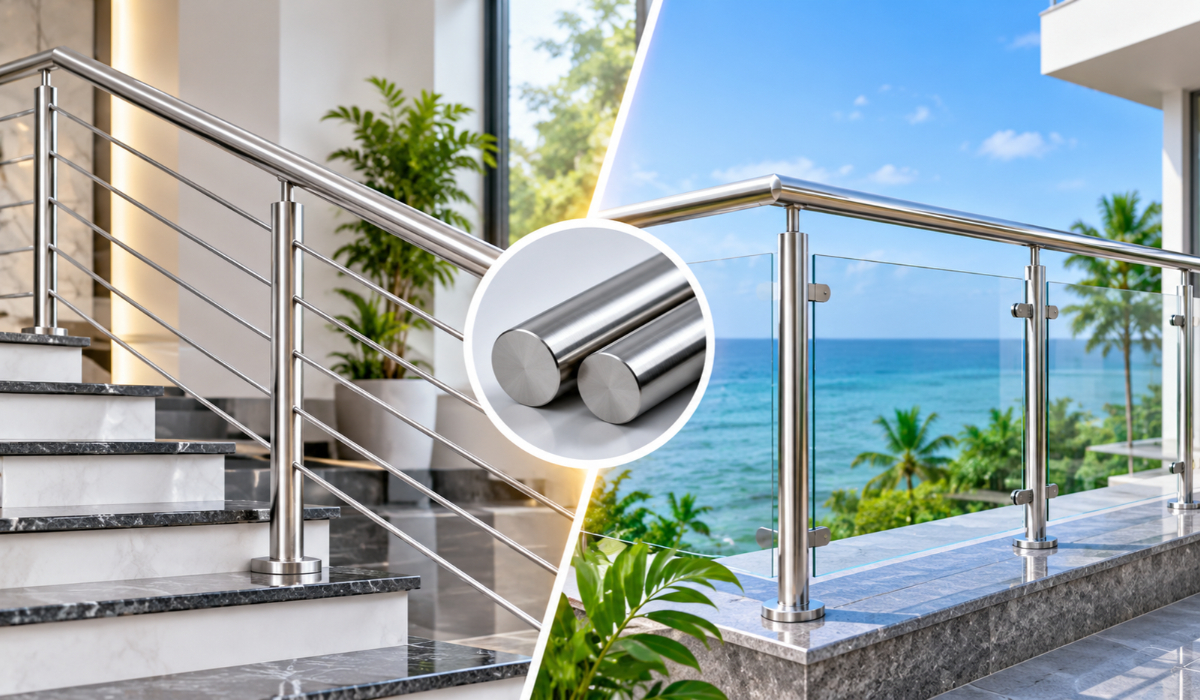
Choosing the right stainless steel grade is essential when installing durable and attractive railings for residential or commercial spaces. When comparing SS 304 vs SS 316 for railings, both grades offer excellent strength, corrosion resistance, and a modern appearance. However, they differ in their resistance to moisture, chemicals, salt exposure, and overall cost. SS 304 is generally suitable for indoor railings and ordinary outdoor environments, while SS 316 offers better protection in coastal and highly corrosive conditions. Understanding these differences helps property owners, architects, and builders select the right material based on location, maintenance requirements, and project budget.
SS 304 and SS 316 are two commonly used grades of austenitic stainless steel. Both contain chromium and nickel, which provide corrosion resistance, durability, and a polished appearance. However, their chemical compositions create important differences in performance.
SS 304 typically contains approximately 18% chromium and 8% nickel. It offers good corrosion resistance, strength, and formability, making it a popular choice for general fabrication applications.
For railing installations, SS 304 is suitable for indoor staircases, balconies in relatively mild environments, office buildings, shopping complexes, and residential properties. It is relatively economical and easy to fabricate, weld, and maintain.
However, prolonged exposure to saltwater, coastal humidity, and chloride-containing environments can increase the risk of surface staining and corrosion. Regular cleaning is important, particularly for outdoor installations.
SS 316 typically contains approximately 16–18% chromium, 10–14% nickel, and 2–3% molybdenum. The addition of molybdenum improves its resistance to chloride-related corrosion and pitting.
This makes SS 316 a better choice for coastal buildings, swimming pool surroundings, marine environments, and outdoor installations exposed to salt and moisture.
Although SS 316 generally costs more than SS 304, its improved corrosion resistance can provide better long-term performance in challenging environments. It is particularly suitable when durability and reduced corrosion risk are important priorities.
Both stainless steel grades offer several advantages, but their individual properties make them suitable for different applications.
SS 304 provides good protection against everyday moisture and atmospheric exposure. SS 316 offers enhanced resistance to chloride-induced pitting and crevice corrosion, making it more suitable for coastal and marine environments.
Both grades provide good mechanical strength and durability. They can be fabricated into different railing designs, including straight railings, curved railings, glass-supported systems, and decorative structures.
Both materials can achieve attractive brushed, satin, and mirror-polished finishes. They are suitable for modern architectural designs and complement glass, wood, stone, and other construction materials.
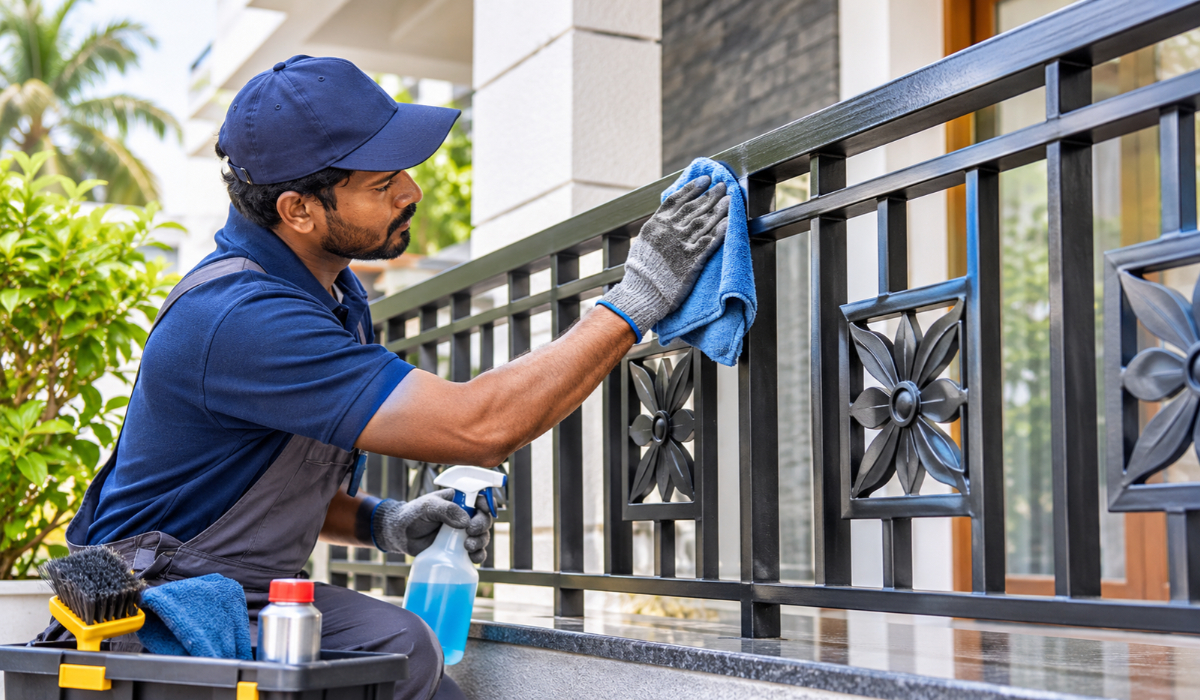
SS 304 requires regular cleaning to maintain its appearance, especially in outdoor environments. SS 316 also needs cleaning, but its improved corrosion resistance makes it advantageous in salt-exposed locations.
SS 304 is generally more affordable for standard applications. SS 316 requires a higher initial investment but can offer better long-term value where corrosion exposure is significant.
The right stainless steel grade depends largely on the installation environment and the purpose of the railing.
1. Residential Staircase Railings: SS 304 is commonly used for indoor staircase railings because it offers an attractive finish, good strength, and reasonable cost.
2. Balcony and Terrace Railings: Both grades can be used for balconies. SS 304 may suit sheltered or less corrosive environments, while SS 316 is preferable for exposed coastal balconies.
3. Commercial Buildings: Offices, hotels, shopping malls, and commercial complexes often use SS 304 for interior railings. SS 316 may be preferred for exposed exterior installations in challenging environments.
4. Coastal Properties: Buildings near the sea experience higher salt exposure and humidity. SS 316 is generally recommended because its molybdenum content improves resistance to chloride-related corrosion.
5. Swimming Pool Areas: Pool surroundings may expose railings to moisture and chloride-containing cleaning chemicals. SS 316 is often a better choice, although appropriate maintenance and material selection remain important.
6. Industrial and Public Spaces: Both grades are used in industrial facilities, public buildings, and institutional structures. The final selection depends on chemical exposure, cleaning conditions, structural requirements, and maintenance practices.
Selecting the correct stainless steel grade requires considering more than just the initial material cost. Evaluate the following factors before making a decision.
Identify whether the railing will be installed indoors, outdoors, near the sea, or around a swimming pool. SS 304 generally works well in ordinary environments, while SS 316 is better suited to chloride-rich conditions.
SS 304 is usually more affordable and suitable for projects with standard corrosion-resistance requirements. If your property is exposed to saltwater or coastal humidity, investing in SS 316 may help reduce corrosion-related maintenance and replacement costs.
Always purchase stainless steel from reliable suppliers and request material test certificates where appropriate. Verify the grade rather than relying only on appearance, as SS 304 and SS 316 can look almost identical.
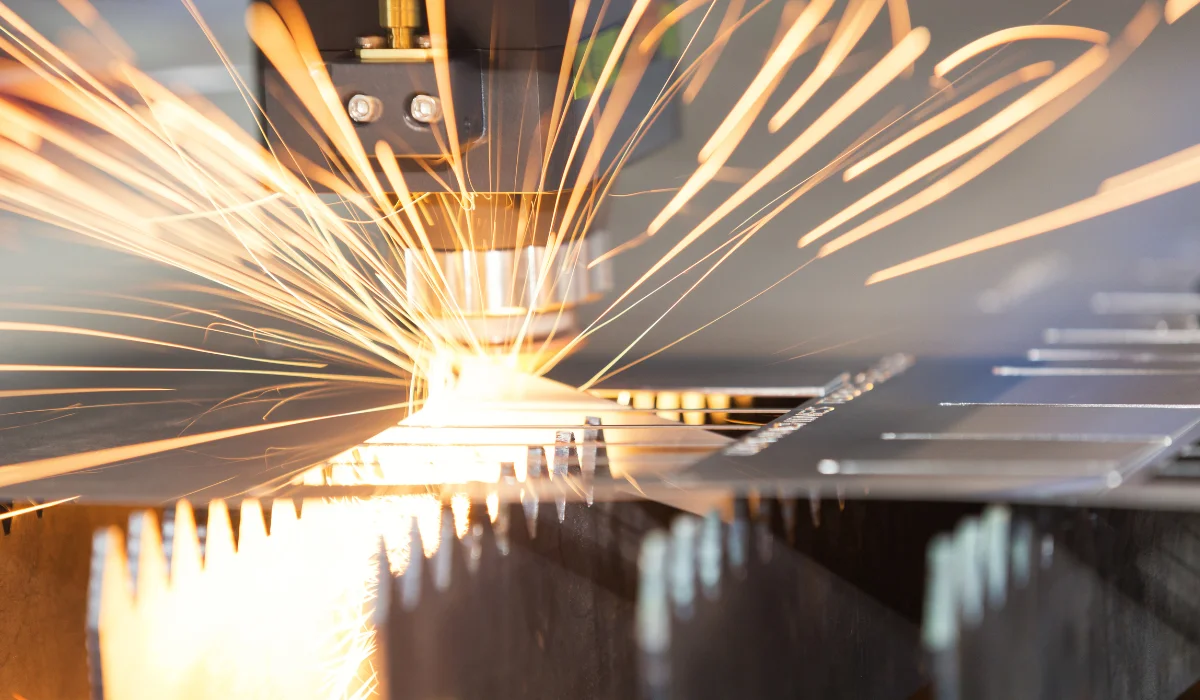
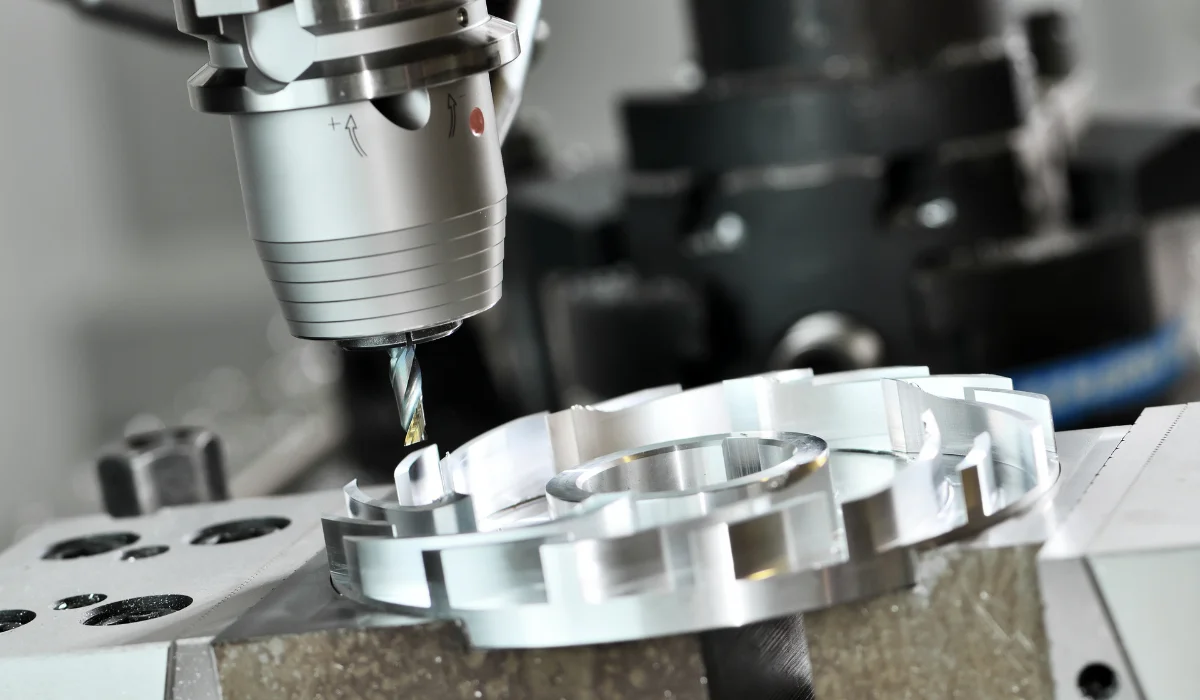
Proper cutting, bending, welding, and polishing are essential for both grades. Poor fabrication practices, contamination from carbon steel tools, and improper finishing can reduce corrosion performance.
Regular cleaning helps preserve the appearance and performance of stainless steel railings. Consider how frequently the railing will be exposed to rain, dust, salt deposits, and cleaning chemicals.
An experienced fabrication company can recommend suitable materials, railing designs, finishes, and installation methods based on your project requirements. Professional fabrication also helps ensure accurate measurements, strong joints, and a consistent finish.
When comparing SS 304 vs SS 316 for railings, the best choice depends on the installation environment, corrosion exposure, and project budget. SS 304 is a practical and economical option for indoor railings and ordinary environments, while SS 316 provides enhanced corrosion resistance for coastal properties, swimming pools, and demanding outdoor conditions. Both grades offer strength, durability, and attractive finishes when fabricated correctly. Selecting the right grade and working with an experienced fabrication team will help ensure long-lasting, reliable, and visually appealing railing installations.
SS 316 generally performs better in outdoor environments exposed to salt, moisture, and chlorides. SS 304 can still be suitable for ordinary outdoor conditions with appropriate maintenance.
SS 316 is generally preferred for coastal locations because its molybdenum content improves resistance to chloride-induced pitting and corrosion.
Yes. SS 304 is suitable for many balcony railing applications, particularly in sheltered or less corrosive environments. Exposed coastal balconies may benefit from SS 316.
SS 316 contains molybdenum and generally has a higher alloying cost. This additional element improves its resistance to chloride-related corrosion.
Visual appearance alone cannot reliably distinguish them. Request a material test certificate or use suitable alloy verification equipment, such as an XRF analyser.