A well-planned custom fabrication project timeline is essential for completing metal fabrication work efficiently, maintaining quality, and meeting delivery deadlines. Every custom fabrication project involves multiple stages, including initial consultation, design development, material selection, cutting, welding, finishing, quality inspection, and installation. Each stage requires proper coordination to avoid unexpected delays and additional expenses. Whether you are planning decorative metal screens, railings, gates, architectural components, or industrial metal structures, understanding the complete project timeline helps you manage expectations and achieve better results. A clearly defined schedule also ensures that clients and fabrication teams stay informed throughout the project.
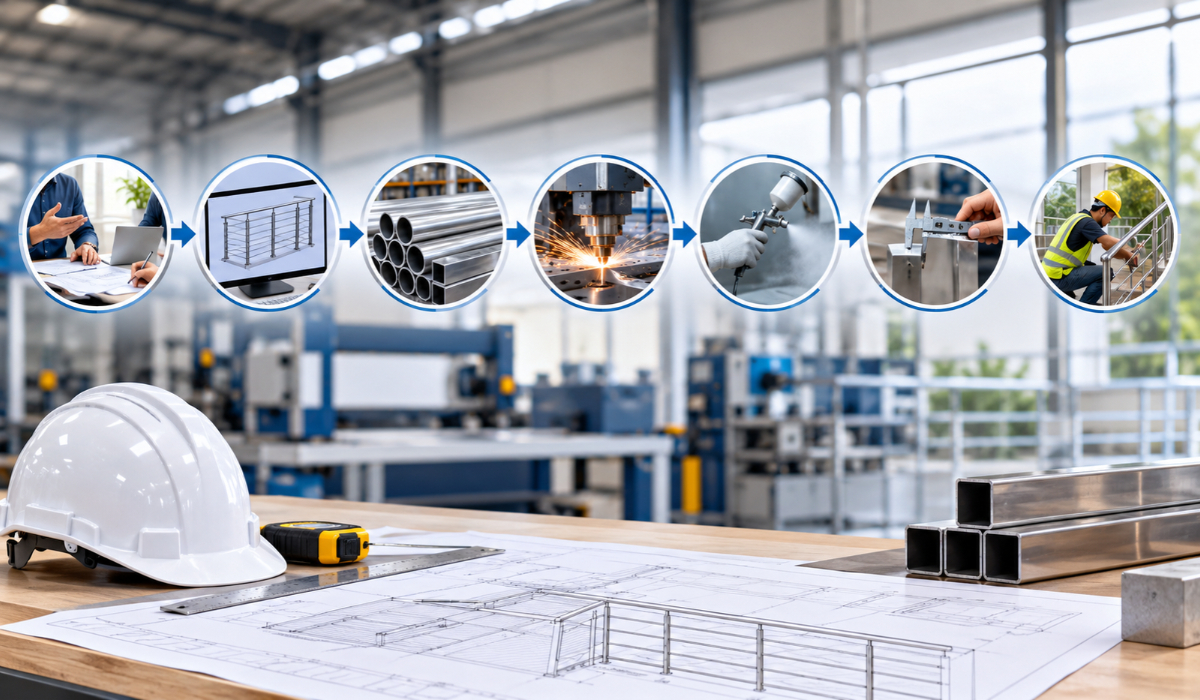
A custom fabrication project involves several connected stages, and each one contributes to the final outcome. A structured timeline helps fabrication teams manage resources, monitor progress, and complete work according to the agreed schedule.
Here are the major stages that should be included:
The first stage involves understanding the client's requirements, project objectives, dimensions, design preferences, budget, and expected completion date. The fabrication team discusses the intended application and identifies technical requirements.
For example, a decorative metal partition may require intricate patterns, while an industrial structure may need specific load-bearing capabilities. Collecting accurate information at this stage reduces misunderstandings during production.
After understanding the requirements, designers prepare drawings, measurements, and technical specifications. Depending on the project, 2D drawings, 3D models, or CAD designs may be developed.
The client reviews the proposed design and requests necessary modifications. Production should begin only after the final drawings and specifications receive approval. This prevents unnecessary revisions and material wastage.
Selecting suitable materials is another important stage. Common fabrication materials include stainless steel, mild steel, aluminium, brass, and copper.
The choice depends on strength, appearance, durability, environmental conditions, and project budget. Once the materials are finalized, the team arranges procurement and checks availability to prevent production delays.
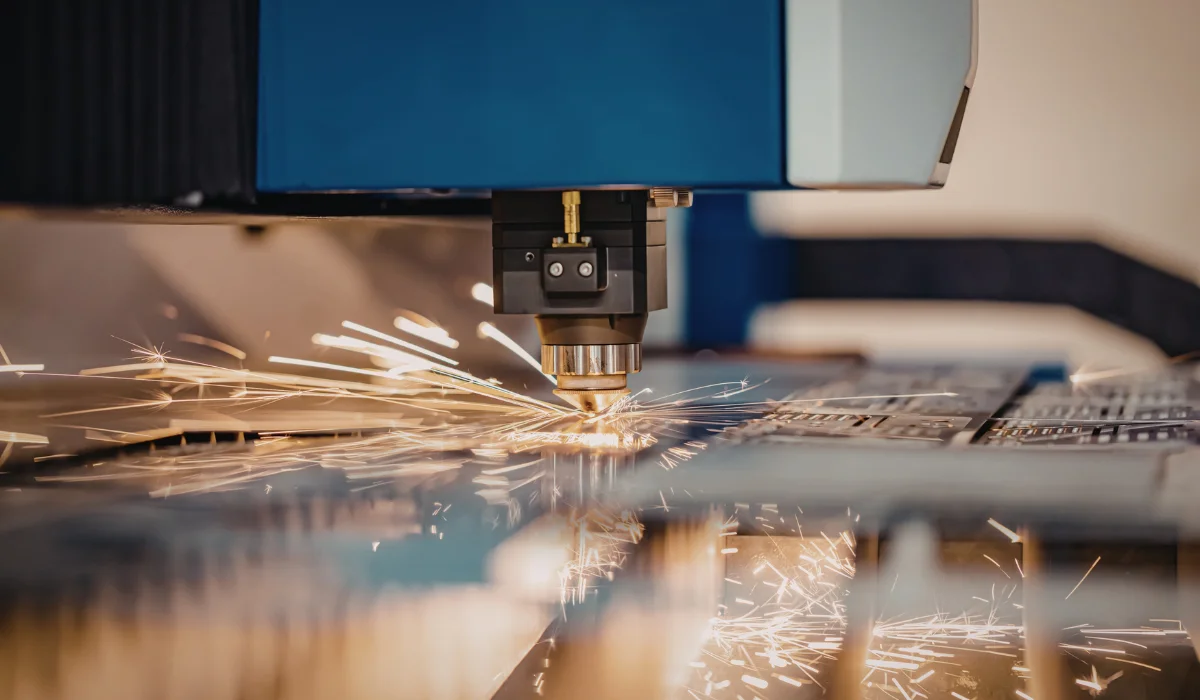
This is where the approved design becomes a physical product. Depending on the project requirements, fabrication may involve CNC cutting, laser cutting, waterjet cutting, bending, drilling, welding, and machining.
Precision equipment and skilled technicians help achieve the required dimensions and design details. The duration depends on material thickness, design complexity, production quantity, and fabrication methods.
After fabrication, the components undergo finishing processes such as grinding, polishing, painting, powder coating, or surface treatment.
The finished components are inspected for dimensional accuracy, weld quality, surface appearance, and compliance with project specifications. Any necessary corrections should be completed before delivery.
The final stage includes packaging, transportation, site preparation, and installation. The fabrication team verifies measurements and ensures that all components fit correctly at the installation location.
A final inspection confirms that the completed work meets the approved design and quality expectations.
A successful fabrication schedule should cover more than just production dates. It should include important planning elements that help maintain transparency and prevent delays.
Divide the project into smaller milestones, such as design approval, material procurement, fabrication completion, finishing, and installation. These milestones make it easier to monitor progress and identify delays early.
Assign a realistic timeframe to every activity. Consider design complexity, material availability, equipment requirements, and workforce capacity when estimating completion dates.
Include material ordering, supplier confirmation, transportation, and inspection in the schedule. Delayed material delivery can affect the entire fabrication process.
Schedule inspections at important production stages rather than waiting until the final product is completed. This helps identify dimensional errors, welding defects, and finishing issues early.
Allow additional time for design modifications, supplier delays, equipment maintenance, or unexpected site conditions. A reasonable buffer makes the overall schedule more reliable.
A properly structured project timeline is useful across residential, commercial, architectural, and industrial fabrication applications.
Architectural Metalwork: Custom metal gates, railings, staircases, balconies, and decorative metal screens require accurate measurements, design approvals, fabrication, and installation planning.
Decorative Metal Partitions: CNC-cut metal jali panels and decorative screens often involve intricate patterns. Proper scheduling ensures accurate cutting, finishing, and alignment.
Industrial Fabrication: Industrial equipment components, machine frames, brackets, and structural metal assemblies require technical drawings, material verification, precision fabrication, and quality testing.
Commercial Interior Projects: Metal furniture, display structures, wall panels, and custom decorative elements require coordination between designers, fabricators, contractors, and installation teams.
Custom Architectural Components: Specially designed metal features, façade elements, and decorative structures require detailed planning to ensure that fabricated components match the architectural design.
In all these applications, a clear timeline helps maintain project coordination, control costs, and deliver consistent fabrication quality.
Choosing an experienced fabrication company is essential for maintaining your project timeline and achieving the expected quality. Before selecting a fabrication partner, consider the following factors.
1. Technical Experience: Check whether the company has experience handling projects similar to yours. Expertise in stainless steel, mild steel, aluminium, brass, and other materials can make a significant difference.
2. Design and Engineering Capabilities: Choose a company that can understand technical drawings, prepare CAD designs, and suggest practical fabrication solutions.
3. Advanced Machinery: Check whether the company uses modern equipment such as CNC machines, laser cutting systems, waterjet cutting machines, and precision fabrication tools.
4. Quality Control Standards: Ask about inspection procedures, dimensional verification, welding quality, and finishing standards. Proper quality checks help prevent installation problems.
5. Project Communication: A reliable fabrication partner should provide regular progress updates, explain possible delays, and communicate changes to the agreed schedule.
6. Installation Support: If your project requires on-site installation, choose a team capable of handling transportation, assembly, fitting, and final inspection.
Comparing these factors helps you select a fabrication partner who can manage the complete process efficiently.
A detailed custom fabrication project timeline helps ensure that every stage, from initial consultation and design approval to fabrication, finishing, and installation, is completed systematically. Clear milestones, realistic deadlines, material planning, and regular quality inspections reduce delays and improve project outcomes. Choosing an experienced fabrication partner with suitable machinery and technical expertise also makes a significant difference. With proper planning and coordination, custom fabrication projects can achieve the desired design, durability, and quality while staying within the agreed schedule.
The duration depends on design complexity, material availability, production quantity, fabrication methods, and installation requirements. Small projects may take days, while larger projects can require several weeks.
The first step is an initial consultation to understand project requirements, dimensions, materials, design preferences, budget, and expected delivery schedule before preparing technical drawings.
Design approval confirms dimensions, patterns, materials, and technical specifications. It reduces production errors, avoids unnecessary modifications, and helps prevent material wastage and additional expenses.
Common causes include material shortages, design changes, inaccurate measurements, equipment breakdowns, production complexity, quality issues, and unexpected installation-site conditions.
Choose an experienced fabrication company, approve designs early, confirm material availability, establish clear milestones, monitor production progress, and allow sufficient time for quality inspection and installation.