
Before ordering custom stonework, it is important to check more than just the appearance and price of the stone. The right material, accurate measurements, suitable design, edge profile, finish, fabrication requirements, and installation process all affect the final result. Whether you are planning a kitchen countertop, bathroom vanity, backsplash, fireplace, outdoor feature, or another custom stone project, proper planning can help prevent unexpected costs and delays. Understanding what to check before placing your order also makes it easier to communicate your requirements with the fabricator and choose a stone that fits both your design preferences and practical needs.
Several important details should be reviewed before approving a custom stonework project.
Start by choosing the right material for your project. Granite, marble, quartz, and quartzite have different characteristics, appearances, maintenance requirements, and price ranges.
Consider where the stone will be installed and how frequently the surface will be used. A kitchen countertop may require different properties than a decorative wall or fireplace surround.
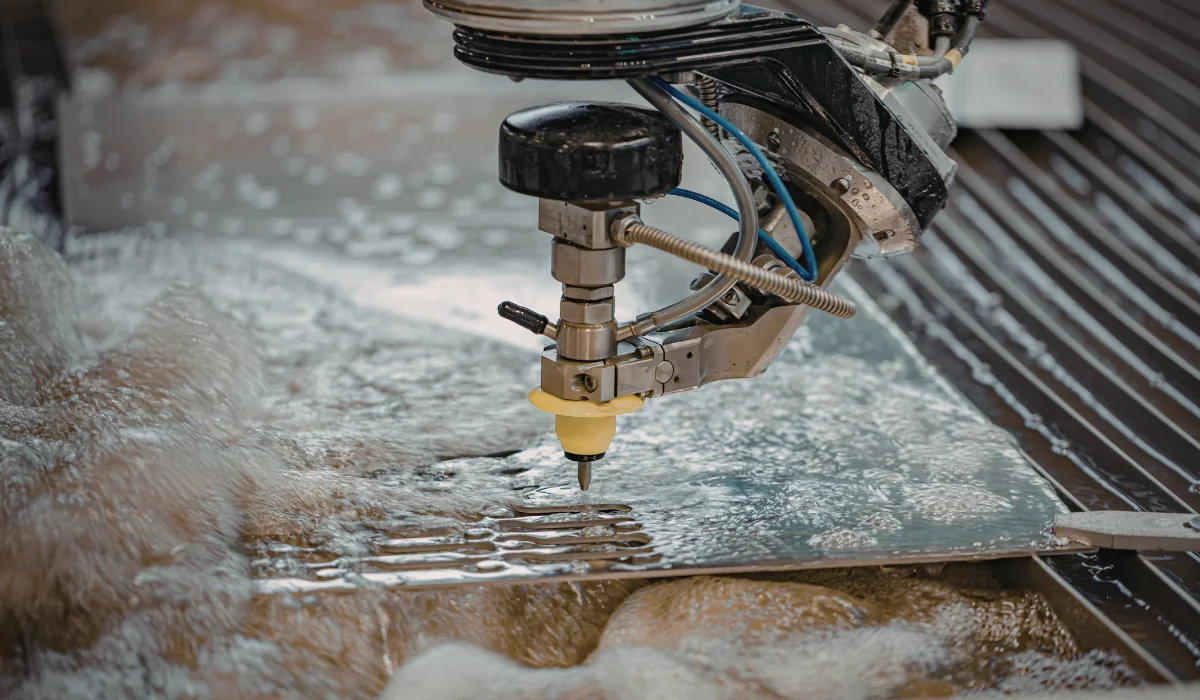
Accurate measurements are essential for custom stonework. Incorrect dimensions can result in gaps, fitting problems, or unnecessary material waste.
Professional fabricators typically confirm the dimensions of the installation area before cutting the stone. Details such as walls, corners, cabinets, sinks, cooktops, outlets, and plumbing fixtures should also be considered.
Natural stone slabs can have unique colors, patterns, and veins. Before fabrication, check how the slab will be positioned and where important veins will appear.
For materials with prominent patterns, slab layout can make a significant difference to the finished appearance. Ask the fabricator to review the layout before cutting if the visual pattern is particularly important.
The edge profile affects the appearance and finishing of a countertop or other stone surface. Options may include straight, eased, bevelled, bullnose, or more decorative profiles.
Choose an edge that complements your overall design while also considering the practical requirements of the space.
Stone can be available in different finishes, depending on the material and application. Polished surfaces provide a smooth and reflective appearance, while honed finishes offer a softer, more matte look.
For outdoor or high-traffic applications, the appropriate surface finish should be selected based on safety, maintenance, and environmental conditions.
Before confirming your order, make sure these important details are clearly discussed with your stone fabricator:
Having these details confirmed in advance can reduce misunderstandings and help ensure that the finished stonework matches your expectations.
Custom stonework can be used for both residential and commercial projects. Because every project can be fabricated according to specific measurements and design requirements, stone can be adapted to many applications.
Custom stone countertops are one of the most common applications. Granite, quartz, marble, and quartzite can be fabricated to accommodate sinks, cooktops, faucets, islands, and other kitchen features.
Stone vanity tops can provide a durable and elegant surface for bathrooms. Custom fabrication allows the stone to be designed around sinks, faucets, walls, and cabinets.
Custom-cut stone can be used for full-height or standard backsplashes. Proper measurements help the material fit around outlets, cabinets, windows, and corners.
Stone can also be fabricated for fireplace surrounds and hearths. Measurements and heat-related requirements should be discussed before selecting the material.
Custom stonework can be used for outdoor kitchens, patios, walls, steps, seating areas, and other landscaping features. The selected stone should be appropriate for the local outdoor environment.
Choosing an experienced stone fabricator can make the entire process easier. Start by reviewing the company's previous projects and experience with the material you want.
Ask whether they provide measurement, fabrication, delivery, and installation services. It is also useful to understand how they handle slab selection, layout planning, cutouts, edge finishing, and installation.
Request a detailed quotation that clearly explains the material, fabrication, edge work, installation, and any additional services. This makes it easier to compare quotes accurately.
You should also ask about the expected fabrication and installation timeline. Having a clear schedule can help coordinate your project with cabinet installation, plumbing, remodeling, or other construction work.
Most importantly, communicate your design preferences clearly. Sharing measurements, inspiration images, material preferences, and functional requirements can help the fabricator understand exactly what you need.
Ordering custom stonework requires careful planning. Before placing an order, check the stone type, slab appearance, measurements, layout, cutouts, edge profile, finish, pricing, fabrication process, and installation requirements. Choosing an experienced fabricator and confirming these details in advance can help prevent costly mistakes and ensure a better finished result. Whether you are upgrading a kitchen, bathroom, fireplace, or outdoor space, proper preparation is the key to successful custom stonework.
Check the stone type, measurements, slab pattern, thickness, edge profile, finish, cutouts, pricing, and installation requirements.
Accurate measurements ensure the stone fits properly and help prevent gaps, incorrect cuts, and material waste.
Yes. Inspecting the slab helps you confirm its color, pattern, veining, quality, and overall appearance.
A quote should clearly cover the stone, fabrication, cutouts, edge finishing, delivery, installation, and any additional services.
The timeline depends on the material, project size, fabrication requirements, and installation schedule. Ask your fabricator for a project-specific timeline.