Custom metal fabrication plays an important role in today's construction, manufacturing, and industrial industries. Whether you are building a commercial building, industrial facility, warehouse, office, or residential property, choosing the right custom metal fabrication solution is essential. The quality of fabricated metal components directly affects the strength, safety, appearance, and durability of your project.
Unlike standard metal products, custom metal fabrication creates products that are specially designed to meet your exact project requirements. From planning and engineering to manufacturing and installation, every step is completed with precision to ensure the final product performs as expected. Modern fabrication companies use advanced technologies such as laser cutting, CNC machining, precision welding, and high-quality finishing to deliver reliable results.
Before investing in custom metal fabrication, it is important to understand the process, choose the right materials, evaluate fabrication companies, and consider long-term value instead of only the initial cost. Making informed decisions helps reduce project risks, improve efficiency, and ensure long-lasting performance. This guide explains everything you should know before investing in custom metal fabrication and how the right fabrication partner can contribute to the success of your project.
Custom metal fabrication is the process of designing and manufacturing metal products according to specific project requirements. Instead of using standard or ready-made products, custom fabrication creates unique components that perfectly fit the required dimensions, design, and function.
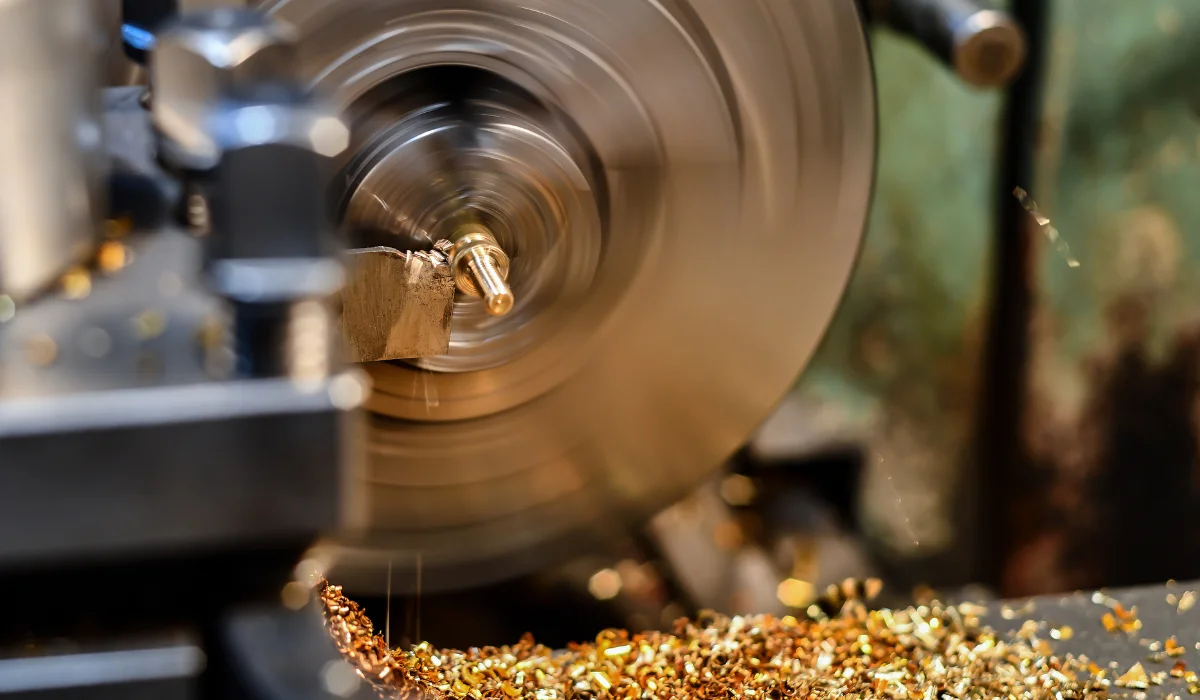
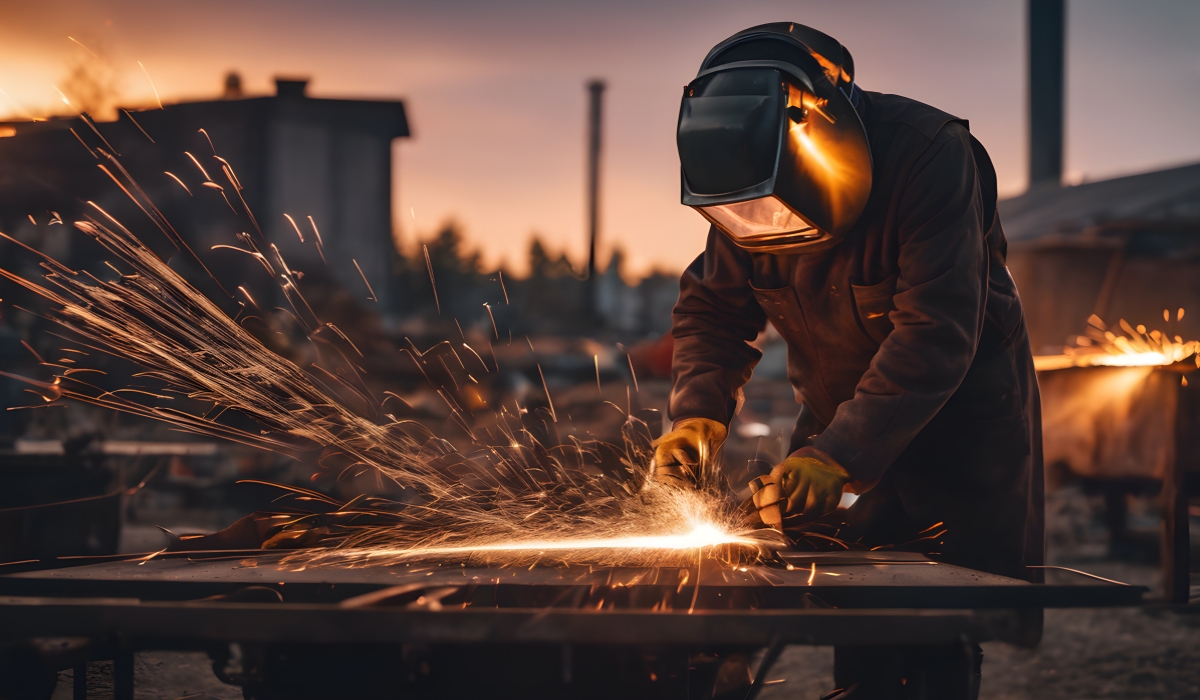
The process begins with design and engineering, where experts prepare detailed drawings based on customer requirements. Once the design is approved, advanced manufacturing methods such as laser cutting, CNC machining, waterjet cutting, bending, welding, grinding, polishing, and finishing are used to create the final product. After fabrication, professional installation ensures the product fits correctly and performs safely.
Custom metal fabrication is widely used in commercial buildings, factories, warehouses, hospitals, shopping malls, airports, infrastructure projects, and residential construction. It is commonly used for structural steel, staircases, railings, gates, platforms, machinery parts, storage systems, architectural panels, and many other applications.
Investing in custom metal fabrication provides several long-term benefits that often outweigh the higher initial cost.
The biggest advantage is customization. Every product is manufactured according to your project's exact requirements, ensuring a perfect fit and reducing the need for modifications during installation.
Custom fabrication also provides better structural performance. Engineers design each component to handle the required loads and operating conditions, improving strength, stability, and safety.
Another important benefit is improved appearance. Custom metal products allow architects and designers to create attractive and modern structures that match the overall design of the building. Decorative railings, staircases, metal facades, and architectural features enhance both functionality and visual appeal.
Durability is another major advantage. High-quality materials combined with professional fabrication techniques produce products that last for many years while requiring minimal maintenance. They can withstand heavy use, harsh weather conditions, and demanding industrial environments.
Before selecting a custom metal fabrication company, several important factors should be carefully evaluated.
Project Requirements
Start by clearly defining your project goals. Consider where the fabricated product will be used, its dimensions, load capacity, design requirements, safety standards, and expected lifespan. Having clear specifications helps fabricators recommend the most suitable manufacturing solution.
Material Selection
Selecting the right material is one of the most important decisions. Stainless steel offers excellent corrosion resistance and is suitable for outdoor environments, food processing, and healthcare facilities. Mild steel is affordable, strong, and widely used in construction and industrial applications. Aluminium is lightweight, corrosion-resistant, and commonly used for transportation, architectural designs, and decorative applications. The right material depends on your budget, environment, and performance requirements.
Manufacturing Technology
Modern fabrication companies use advanced technologies such as laser cutting, CNC machining, waterjet cutting, robotic welding, and computer-aided design (CAD) software. These technologies improve precision, reduce manufacturing errors, increase production speed, and produce consistent quality. Choosing a company with modern equipment ensures better project results.
Quality Standards
Quality should always be a top priority. Reliable fabrication companies follow strict quality control procedures throughout the manufacturing process. They inspect raw materials, test welds, verify dimensions, and ensure products comply with industry standards. Experienced fabricators also maintain proper certifications and safety practices to deliver dependable products.
Budget Planning
Do not focus only on the initial purchase price. Instead, consider the total cost over the product's lifetime. Higher-quality materials and skilled workmanship may require a larger investment initially, but they reduce future maintenance, repairs, and replacement costs. A long-term approach often provides better financial value.
Installation Expertise
Professional installation is just as important as quality fabrication. Incorrect installation can reduce product performance and create safety risks. Experienced installation teams ensure every component is correctly positioned, securely fixed, and fully compliant with engineering and safety requirements.
Many buyers make mistakes when investing in custom metal fabrication. Avoiding these mistakes can save both time and money.
One common mistake is choosing the lowest price instead of focusing on quality. Low-cost fabrication may use poor-quality materials or inexperienced workers, resulting in products that wear out quickly or fail to meet safety standards.
Another mistake is selecting unsuitable materials without considering environmental conditions or project requirements. Using the wrong material can lead to corrosion, reduced strength, and expensive repairs.
Some project owners fail to check the company's experience or previous work. Reviewing completed projects and customer feedback helps evaluate the company's expertise and reliability.
Poor communication about project timelines is another common issue. Discuss production schedules, delivery dates, and installation plans before work begins to avoid unnecessary delays.
Finally, never skip quality inspections. Asking about testing procedures, certifications, and quality assurance ensures that the finished products meet your expectations and industry standards.
Choosing the right fabrication company is essential for achieving successful project outcomes.
A skilled engineering and design team is another important factor. Good engineers help improve product performance, optimize material usage, and reduce production costs.
Modern fabrication equipment is equally important. Companies using advanced machinery can produce more accurate, consistent, and high-quality products.
Review the company's project portfolio to understand its capabilities and workmanship. Previous projects demonstrate the company's experience with different industries and fabrication requirements.
Timely delivery is critical for keeping construction schedules on track. Reliable companies provide realistic timelines and maintain good communication throughout the project.
After-sales support is another valuable service. Companies that offer maintenance advice, technical support, and repair services provide greater long-term value.
Finally, choose a company that is committed to quality, customer satisfaction, workplace safety, and continuous improvement. A trusted fabrication partner becomes an important contributor to your project's overall success.
Investing in custom metal fabrication is a long-term decision that directly affects the quality, durability, safety, and appearance of your project. Understanding your project requirements, selecting suitable materials, evaluating manufacturing technology, and working with an experienced fabrication company are all essential steps toward achieving successful results.
Although custom fabrication may require a higher initial investment, it delivers greater value through improved performance, reduced maintenance costs, longer service life, and better structural reliability. Choosing a trusted fabrication partner ensures your investment supports both immediate project goals and long-term success.
Custom metal fabrication is the process of designing and manufacturing metal components according to specific customer requirements instead of using standard ready-made products.
It provides customized solutions, better quality, improved durability, stronger structural performance, and greater long-term value for commercial, industrial, and residential projects.
Stainless steel is ideal for corrosion resistance, mild steel is suitable for structural applications, and aluminium is preferred when lightweight and corrosion-resistant materials are required.
The timeline depends on project complexity, design approval, material availability, manufacturing processes, and installation requirements. Small projects may take a few weeks, while larger projects can take several months.
Yes, the initial cost is often higher, but custom fabrication usually provides better durability, lower maintenance costs, and greater long-term value.
Choose a company with industry experience, skilled engineers, advanced equipment, quality certifications, a strong project portfolio, reliable delivery, and excellent customer support.