Choosing the right finish is an important part of any metal fabrication project. A good finish not only improves the appearance of metal products but also protects them from rust, corrosion, moisture, chemicals, and daily wear. Whether you are working on industrial equipment, commercial buildings, architectural structures, or residential projects, selecting the right finishing method can increase the lifespan of your investment.
When comparing powder coating vs conventional painting, many people wonder which option offers better protection. Both finishing methods are widely used in the metal fabrication industry, but they differ in how they are applied, their durability, maintenance needs, and overall performance. The right choice depends on your project requirements, the environment where the metal will be used, and your budget.
Modern metal finishing techniques are designed to improve both performance and appearance. While conventional painting has been used for decades, powder coating has become increasingly popular because of its durability and environmental benefits.
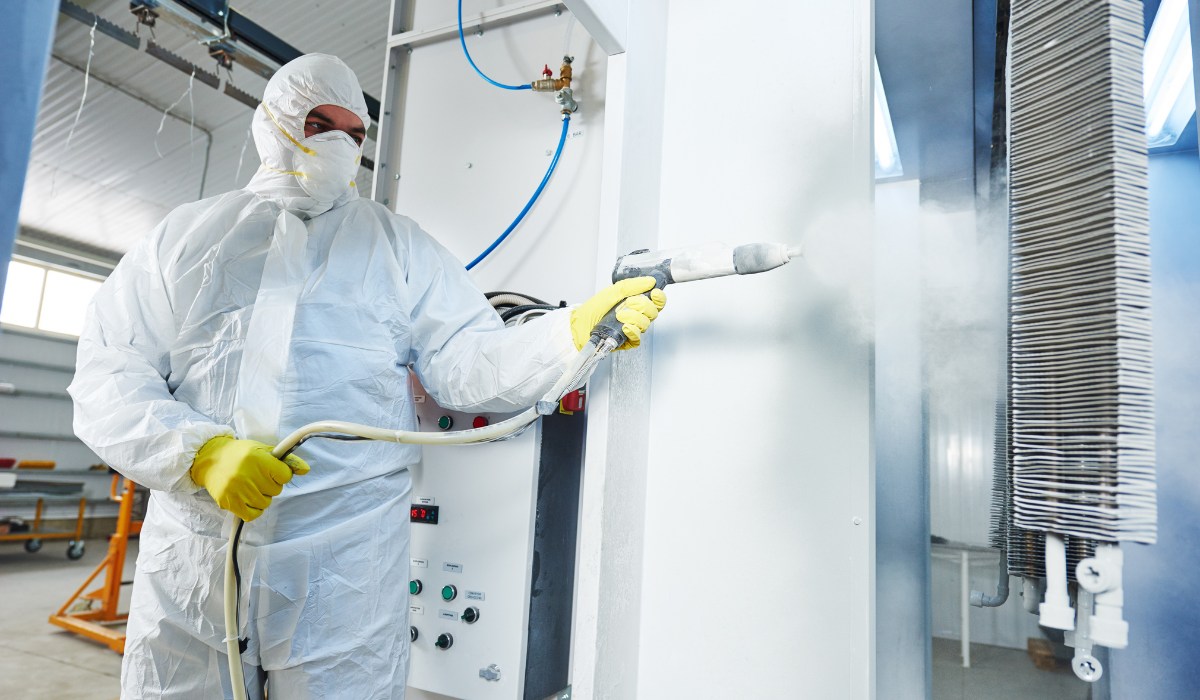
Powder coating is a modern metal finishing process that uses a dry powder instead of liquid paint. The powder is applied to the metal surface using an electrostatic spray gun. Once the powder sticks to the surface, the coated product is placed inside a curing oven where heat melts and bonds the powder into a smooth, protective layer.
Unlike traditional paint, powder coating does not require solvents. This creates a thicker and more uniform finish that is highly resistant to scratches, fading, corrosion, and chemicals. Because of its strength, powder coating is commonly used for outdoor furniture, gates, fences, railings, industrial machinery, automotive parts, agricultural equipment, and architectural metal products.
One of the biggest advantages of powder coating is its long lifespan. The finish maintains its color and appearance even after years of exposure to sunlight, rain, and changing weather conditions. It also requires very little maintenance, making it a popular choice for projects where durability is a priority.
Conventional painting is a traditional finishing method that uses liquid paint to coat metal surfaces. The paint is applied using brushes, rollers, or spray equipment depending on the project size and finish required. After application, the paint dries naturally or is baked to speed up the curing process.
Conventional painting is widely used because it offers flexibility in colors, textures, and finishes. It works well for decorative applications, maintenance work, and projects that require easy repairs or touch-ups. Since damaged areas can be repainted without removing the entire coating, conventional painting is often chosen for structures that may need regular maintenance.
This finishing method is commonly used for building interiors, decorative metalwork, pipelines, machinery, storage tanks, and general construction projects. It can also be applied directly on-site, making it convenient for large structures that cannot be moved to a coating facility.
Although conventional painting provides good protection, its performance depends on proper surface preparation, primer quality, paint selection, and environmental conditions. In harsh outdoor environments, painted surfaces may require regular inspections and maintenance to prevent fading, peeling, or corrosion.
When comparing powder coating vs conventional painting, durability is one of the biggest differences. Powder coating forms a thick and hard protective layer that resists scratches, impacts, and everyday wear. It is less likely to chip or crack, making it suitable for heavy-duty applications.
Conventional painting also protects metal surfaces but usually forms a thinner coating. Over time, it may chip, peel, or wear away in areas exposed to frequent use or harsh weather. Regular maintenance and repainting may be required to keep the surface in good condition.
Powder coating offers excellent protection against moisture, chemicals, and rust. When properly applied, it creates a sealed surface that prevents water and contaminants from reaching the metal.
Conventional painting also protects against corrosion, especially when high-quality primers are used. However, if the paint becomes damaged or develops cracks, moisture can enter and cause rust to form beneath the surface.
Both finishes offer attractive results, but there are some differences. Powder coating provides a smooth, even, and consistent finish with excellent color retention. It is available in many colors, gloss levels, and textures.
Conventional painting offers greater flexibility for custom colors, artistic finishes, and on-site applications. It is often preferred when detailed decorative work or frequent color changes are required.
Powder-coated surfaces require very little maintenance. Regular cleaning with mild soap and water is usually enough to keep them looking new for many years.
Painted surfaces generally require more maintenance. Scratches, peeling, or fading may need periodic touch-ups to maintain appearance and protection.
The initial cost of powder coating is often higher because it requires specialized equipment and curing ovens. However, its long lifespan and low maintenance requirements make it more cost-effective over time.
Conventional painting usually has a lower upfront cost and can be applied more easily to smaller projects. However, repeated maintenance and repainting can increase long-term expenses.
Powder coating is considered a more environmentally friendly option because it contains little or no volatile organic compounds (VOCs). The process also generates less waste since unused powder can often be recycled.
Conventional painting typically contains solvents that release VOCs during application. It may also produce more waste through overspray and leftover paint, making it less environmentally friendly in comparison.
When deciding between powder coating vs conventional painting, the answer depends on the application.
For outdoor structures such as gates, fences, railings, and architectural metalwork, powder coating is usually the better option because it offers excellent resistance to sunlight, moisture, corrosion, and weather changes.
For indoor applications where environmental exposure is limited, both finishing methods can perform well. Conventional painting may be a practical choice when cost is a major consideration or when future color changes are expected.
Industrial equipment that operates in demanding environments often benefits from powder coating because of its superior resistance to impact, chemicals, and abrasion.
Decorative architectural projects can use either finish depending on the design goals. Powder coating provides a premium, uniform appearance, while conventional painting allows greater flexibility for custom finishes and artistic details.
Before selecting a finishing method, consider the environment where the product will be used. Outdoor applications usually require stronger protection against weather and corrosion.
The type of metal is also important because different metals respond differently to coating systems. Project size, expected lifespan, maintenance requirements, and budget should all be considered before making a decision.
If long-term durability and minimal maintenance are your priorities, powder coating is often the preferred solution. If easy repairs, lower initial costs, and design flexibility are more important, conventional painting may be the better choice.
Choosing between powder coating vs conventional painting depends on your project's environment, durability expectations, maintenance needs, and budget. Both finishing methods improve the appearance and protection of metal products, but they perform differently under various conditions.
Powder coating stands out for its exceptional durability, corrosion resistance, low maintenance, and environmentally friendly process. Conventional painting remains a reliable option for projects that require easy touch-ups, decorative finishes, or lower initial costs.
By understanding the strengths of each method and selecting the right metal finishing solution, you can improve the lifespan, appearance, and value of your fabricated metal products for years to come.
2. Which finishing method lasts longer?
3. Is powder coating suitable for outdoor metal structures?
4. Can damaged powder-coated surfaces be repaired?
5. Which option is more cost-effective over time?
6. How do I choose the right finish for my fabrication project?